Using Innovation to Advance Ethical and Translational Brain Cancer Research
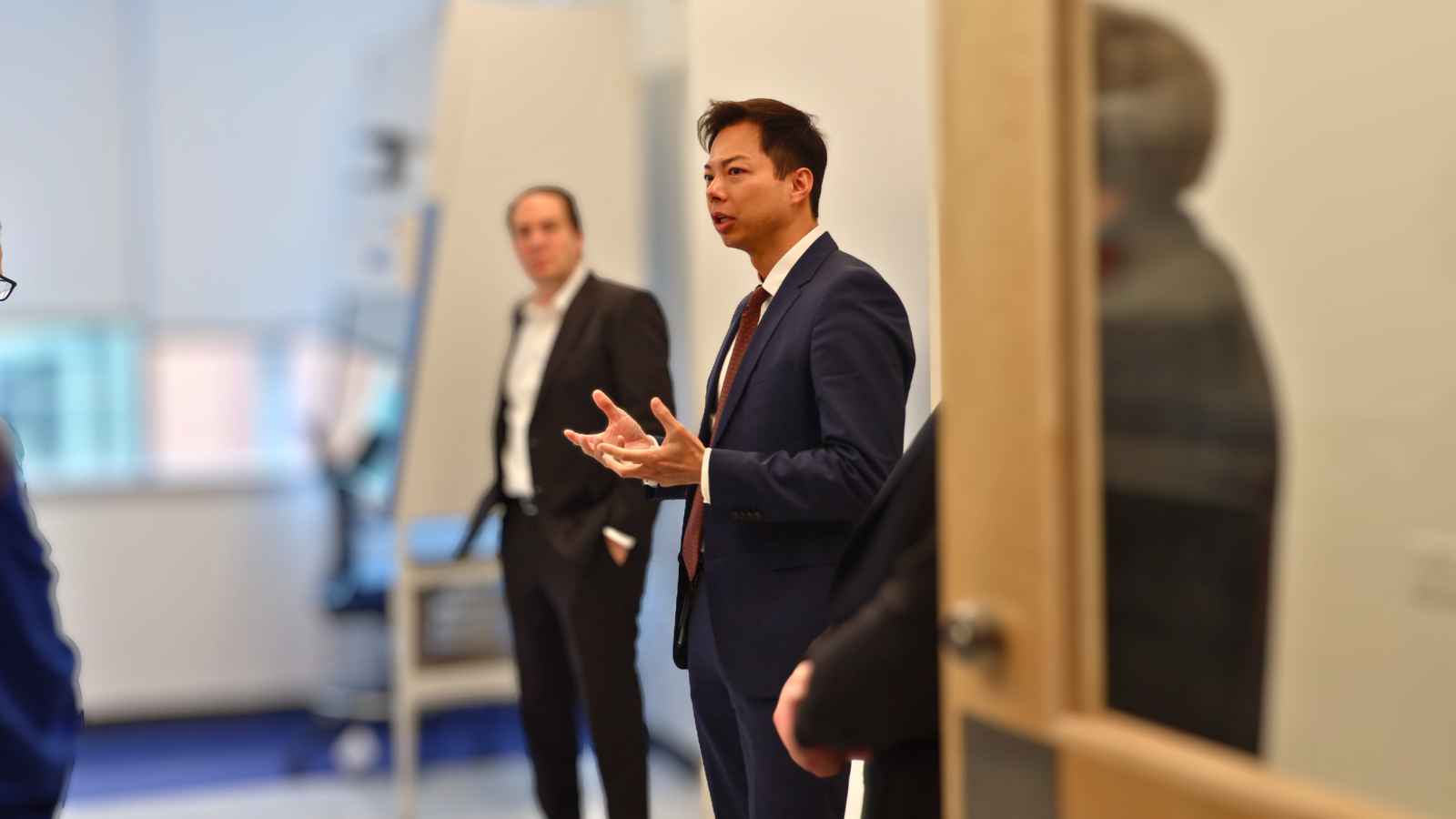
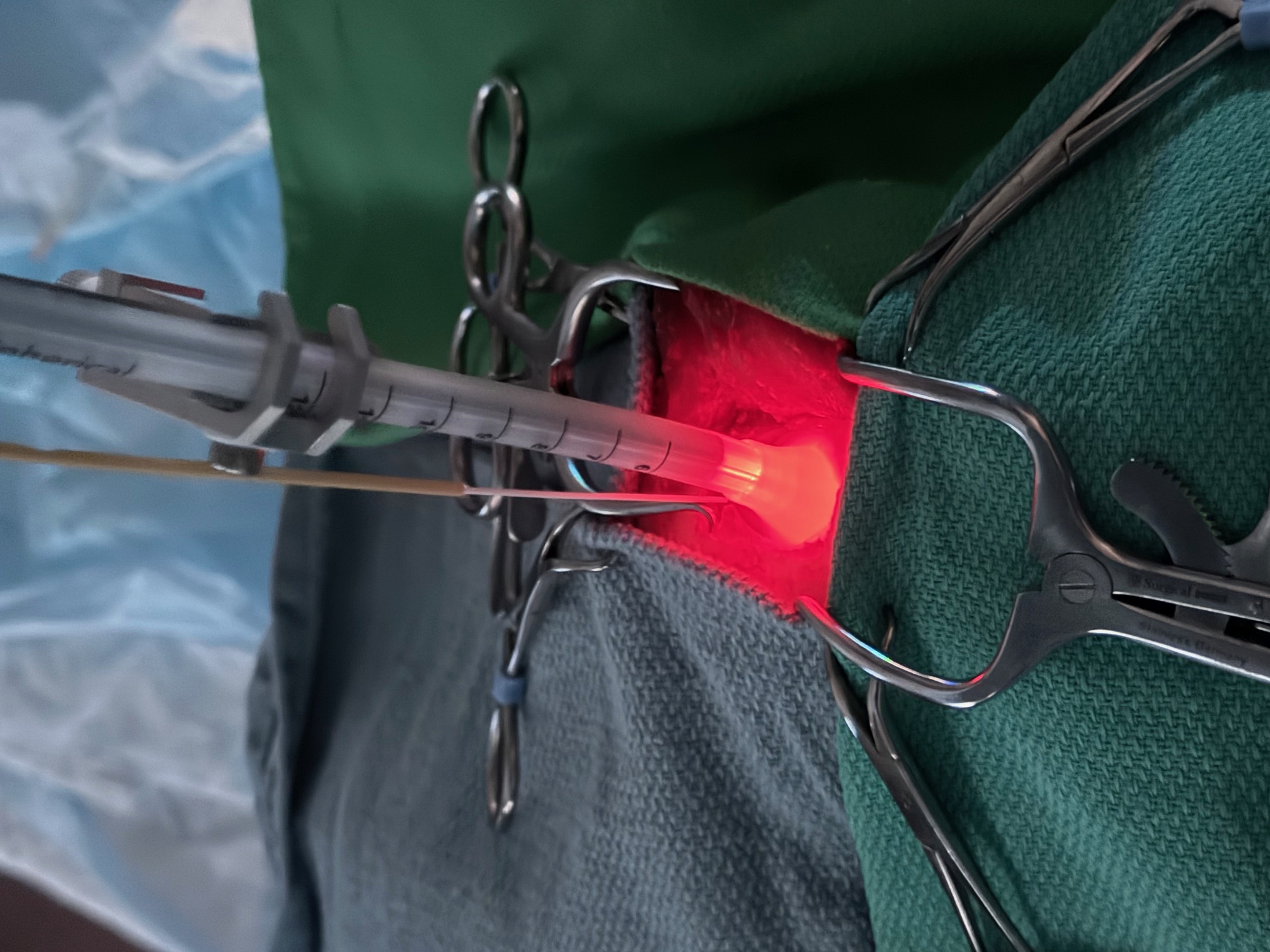
The Fischell Department of Bioengineering (BIOE) is expanding its support for cutting-edge research through the Bioengineering Translational Initiative (BTI). The program provides seed funding that helps faculty take early-stage technologies out of traditional laboratory research and into real-world clinical testing, where hurdles often prevent promising projects from moving forward in pilot studies. Associate Professor Joe Huang’s work developing a new intraoperative photodynamic therapy for glioma was selected for support through the initiative, positioning his team to advance the treatment toward clinical evaluation. Glioblastoma is one of the most aggressive and lethal brain cancers diagnosed in adults. In the United States alone, approximately 14,000 new glioblastoma cases are reported each year, and even with surgery, chemotherapy, and radiation, the median survival remains less than 18 months. Surgeons can remove the primary tumor mass, but they cannot eliminate the microscopic cancer cells that infiltrate nearby healthy brain tissue. These residual cells are the source of recurrence of the cancer. Huang’s lab has developed a nanoformulation of verteporfin, known as NanoVP, which has shown significant improvements in potency, tumor penetration, and delivery compared to currently approved photosensitizers used for photodynamic therapy. In preclinical mouse studies, NanoVP extended survival far beyond that seen with existing treatments. The therapy uses a light-activated drug that can be applied directly to the surgical cavity during tumor removal. When paired with a clinically relevant light source, the drug selectively destroys remaining cancer cells. Huang described the therapy as an eraser applied at the end of a surgery, intended to clean up infiltrative cells that cannot be removed by hand.
With BTI support, the team is now preparing a Phase 1 and 2 clinical study in canine patients with naturally occurring brain tumors. This step is critical before FDA approval for human trials and offers an ethical alternative to conventional large animal testing, which often involves inducing disease. Instead, the project partners with the Virginia Maryland College of Veterinary Medicine, where pet owners struggling to afford treatment can enroll their dogs in the study. The study provides standard medical care in addition to the clinically promising and safe photodynamic therapy. Huang emphasized that this element of the work reflects a commitment to humane and responsible research that benefits both human patients and companion animals. “Our goal is to improve the lives of both humans and our best friends,” Huang said. “This work allows us to push brain cancer treatment forward while giving families and their pets hope in the process.” Due to this research, undergraduate bioengineering student Renee Jaranson in the Huang lab was recently selected to receive the Menon Endowed Scholarship, which provides her with additional funds to support her involvement. Jaranson contributes to drug formulation, characterization, clinical workflow preparation, and data collection. She will have the opportunity to participate in both the laboratory development of NanoVP and in clinical visits to support canine patient treatment. “I was really drawn to how translational this work is,” Jaranson said. “Getting to help develop the nanoparticles in the lab and then see the treatment applied in real patients is an experience I never expected to have as an undergraduate.” The project is driven through collaboration, bringing together neurosurgeon Dr. Graeme Woodworth, MD, FACS at the University of Maryland School of Medicine (UMSOM), veterinary neurosurgeon Dr. John Rossmeisl at Virginia Tech, industry partner Modulight Corporation, and the Optical Therapeutics & Nanotechnology (Huang) Lab. Modulight designs and manufactures medical laser systems and light delivery solutions required to activate and monitor NanoVP treatment progress during brain cancer surgery. The BTI award includes departmental support and an additional contribution to ensure the team can carry out drug scale-up, regulatory strategy consultation, and pilot clinical work that typical research grants do not cover. The BTI highlights the collaboration between UMCP and UMSOM to advance health care and patient outcomes by uniting engineering, bioengineering, and medicine. The initiative is closely connected with the Edward & Jennifer St. John Center for Translational Engineering and Medicine (CTEM), where researchers from both institutions work together to address pressing clinical challenges and drive innovations that translate directly into patient care As the team prepares for patient enrollment in the canine trial, Huang aims to develop a safe and effective treatment that delays tumor recurrence and improves survival while reducing surgical burden. Recruitment for canine patients with brain cancer is underway, marking a significant milestone for a project that began with laboratory experiments and is now progressing toward real-world clinical translation.
Related Articles: December 3, 2025 Prev Next |
|